
Booking add-ons are optional paid extras, like a nail trim, flea treatment or express groom, that a customer selects alongside a core service, and offering them well lifts revenue per booking while making the experience feel more complete. AnimalBooking's provider data points to add-on revenue as a reliable growth lever. Welfare guidance from WSAVA backs the idea that extras framed around animal wellbeing convert better.
TL;DR:
- Pricing and packaging strategies like tiered bundles and prepaid sets improve clarity and can boost revenue, especially for recurring services like boarding.
- Legal rules in states like New South Wales and Victoria require hygienic facilities and appropriate staffing for certain high-handling add-ons such as grooming and bathing.
- Automating reminders combined with upfront payment can reduce no-shows by up to 80 percent, increasing the profitability of high-value add-ons.
- Pre-booking placement of add-ons with clear details minimizes disputes and ensures capacity and staff skill requirements are met.
- Using configuration tools that include capacity rules, staff routing, and payment capture leads to higher uptake and revenue from optional extras.
Table of Contents
- Common booking add-ons and customer-facing patterns
- Legal and welfare rules that shape in-person add-ons
- Pricing and packaging strategies for upsells and extras
- How to set up add-ons inside a booking system: data and flow checklist
- Payments, deposits and reducing no-shows for paid extras
- Operational readiness: staffing, facilities and consent paperwork
- Measure and optimise add-on performance: KPIs and simple tests
- What AnimalBooking's data shows about add-on uptake
- Getting your add-ons live with AnimalBooking
- FAQ
- Sources
Common booking add-ons and customer-facing patterns
Most pet businesses find success with a short, well-defined list of extras rather than a sprawling menu. The strongest performers tend to be ones customers already understand and want on a recurring basis.
- Nail clip or trim, often added to grooming or vet visits.
- Express groom, a faster turnaround for an extra fee.
- Teeth cleaning, usually paired with a wellness check.
- Flea and tick treatment, popular in warmer months.
- Extended boarding care, such as extra playtime or late pickup.
- Transport or pick-up and drop-off, valuable for busy clients.
- Training add-ons, like a behaviour consult tacked onto boarding.
Where you place these matters as much as what you offer. Showing add-ons during initial booking lifts attach rates because the customer is already in a buying mindset, while surfacing them at checkout works better for low-cost, low-friction extras. Post-booking upsells, sent by SMS or e-mail a day or two before the appointment, suit higher-value services that need a moment of consideration. Single add-ons suit occasional needs, while tiered bundles (standard, plus, premium) work better for recurring services like boarding, where customers are comparing a full package rather than ticking boxes.
Legal and welfare rules that shape in-person add-ons
Add-ons that change handling time, facility use or animal contact can trigger obligations under state codes of practice, even when they seem minor. In New South Wales, grooming and welfare rules require hygienic, suitable facilities and appropriate staff arrangements for any bathing or grooming activity, which covers extras like an express groom if it changes how an animal is handled.
Victoria's boarding establishment code sets similar expectations: suitable bathing and drying areas, hygienic maintenance, and extra staff when animal numbers rise. That has a direct operational consequence for add-ons with high handling intensity, such as wet grooms or overnight extras. If you cannot roster additional staff during peak check-in and check-out windows, cap how many of those add-ons you sell per day rather than risk under-resourcing the service.
Boarding operators in the ACT should check the mandatory boarding code for governance and staffing requirements before adding paid extras to overnight stays. Health-related add-ons, like medication administration or a dental check, usually need veterinary sign-off or at minimum a documented consent process before they are bookable online.

Pricing and packaging strategies for upsells and extras
Transparency protects margins and prevents disputes. Every add-on listing should show the price, exactly what is included, how long it takes and anything excluded, before the customer confirms the booking.
Common pricing approaches include:
- Flat fees for simple, predictable extras like a nail trim.
- Percentage-based pricing for add-ons tied to the core service cost, such as a premium shampoo upgrade.
- Tiered service levels, bundling several extras into standard, plus and premium packages.
- Prepaid bundles, where customers buy a set of add-ons (five nail trims, for example) at a discount.
Clear terms at the point of sale do more to prevent refund disputes than any policy buried in fine print. The pricing playbook for boarding operators has templates for wording cancellation and refund terms so customers see them before they pay, not after.
Pro Tip: Put the cancellation window for each add-on directly under its price, not in a separate terms page; customers rarely click through to read policies they haven't already agreed to.
How to set up add-ons inside a booking system: data and flow checklist
Before building add-ons into your booking flow, decide where each one should appear. Pre-booking placement suits extras customers actively search for, checkout placement suits impulse add-ons, and post-booking upsells suit higher-value or seasonal extras that benefit from a reminder.
Each add-on needs a clear data profile before it goes live:
- Price and duration, so it can be scheduled accurately.
- Staff skill required, to avoid assigning an unqualified team member.
- Capacity impact, since some extras (like a wet groom) use a facility slot that limits how many bookings you can take that day.
- Consent flags, for anything involving medication, sedation or a health risk.
A practical implementation checklist:
- Set blackout rules for peak periods where an add-on would overload staff.
- Route each add-on to staff with the matching skill or qualification.
- Give every add-on its own service code (SKU) so it is tracked separately in reporting.
- Write cancellation and refund rules into the add-on listing itself.
Platforms like AnimalBooking's online booking tools let you configure these fields directly against each service, which avoids the double-booking problems that come from managing add-ons in a separate spreadsheet.
Payments, deposits and reducing no-shows for paid extras
How you collect payment for an add-on affects both uptake and cancellation rates.
- Pay-in-full at booking suits high-cost or capacity-limited extras, like a dental clean slot that cannot be resold easily.
- Deposits work for mid-cost add-ons, balancing commitment against customer hesitation; the deposits versus prepayments breakdown covers the trade-offs in detail.
- Card-on-file suits recurring customers who already trust the business.
- SMS payment links suit last-minute add-ons added after a conversation with staff.
Require payment at booking for anything limited in capacity or expensive to deliver; leave pay-on-service for low-risk, low-cost extras.
AnimalBooking's provider data shows no-shows can drop by up to 80% when automated reminders are paired with upfront payment capture, which matters most for add-ons that tie up a specific staff member or facility slot.
Operational readiness: staffing, facilities and consent paperwork
Before listing a new add-on, check whether your business can actually deliver it safely at the volume you expect to sell.
- Roster extra staff during check-in and check-out peaks if the add-on involves bathing, handling or close supervision.
- Keep bathing, grooming and medical areas separate and cleaned between animals, in line with state hygiene expectations.
- Capture vaccination status and medical authorisation before any health-adjacent add-on, using a documented process rather than a verbal confirmation.
- Store consent records against the booking, not in a separate file, so staff can check them at check-in.
A grooming release form template is a practical starting point for consent paperwork, and the pet boarding industry page outlines where extended care and bathing extras typically fit into a boarding operation's daily routine. For add-ons touching animal health directly, a veterinary resources hub is a useful reference point for staff training.
Measure and optimise add-on performance: KPIs and simple tests
Track attach rate (the share of bookings that include at least one add-on), revenue per booking, average order value and any conversion lift from changes to where add-ons appear in the flow.
Run small experiments rather than guessing: test add-on placement (pre-booking versus checkout), test two price points on the same add-on for a few weeks, and compare a bundled package against the same extras sold individually. Review performance monthly for new add-ons and quarterly once they stabilise. An add-on with a consistently low attach rate and thin margin after three months is a candidate to reprice, rebundle or drop.

What AnimalBooking's data shows about add-on uptake
Data from providers points to a consistent pattern: businesses that set up add-ons properly, with clear pricing and automated reminders, see meaningfully more revenue per booking than those managing extras by phone or text.
Features that support this include custom fields for each add-on, built-in payment capture, capacity rules tied to staff and facilities, and reminder sequences that prompt customers before they forget. The combination removes most of the manual follow-up that causes extras to go unsold.
— AnimalBooking
Getting your add-ons live with AnimalBooking
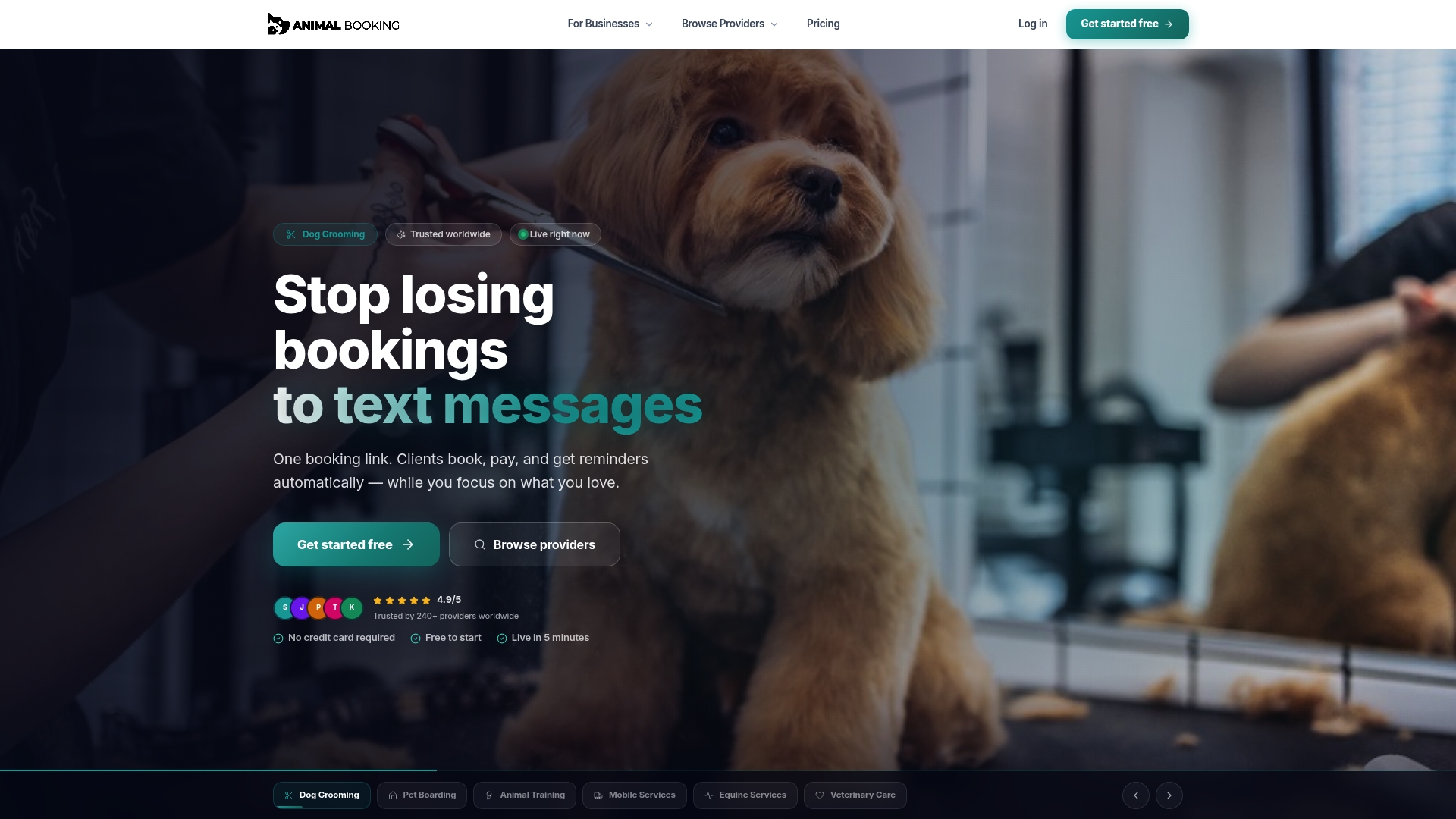
The platform is built around the operational detail this guide covers: service-level capacity rules, staff routing, payment capture and reminders, all configured against each add-on rather than bolted on afterwards.
- Set up your first add-ons through AnimalBooking's online booking features.
- Compare plans and transaction fees on the pricing page before choosing a tier.
FAQ
What counts as a booking add-on in pet services?
A booking add-on is any optional paid extra a customer selects alongside a core service, such as a nail trim, flea treatment or express groom. It is configured as a separate line item in the booking system with its own price, duration and requirements.
Do add-ons need special facilities or staff under state codes?
Yes, in some cases. Codes of practice in New South Wales and Victoria require hygienic facilities and adequate staffing for bathing, grooming and boarding extras, so check the relevant code before listing a new add-on.
Should I take full payment or a deposit for add-ons?
Full payment at booking suits high-cost or capacity-limited add-ons, since they tie up a specific staff member or facility slot. Deposits work well for mid-cost extras where you want commitment without asking for the full amount upfront.
How much revenue can add-ons actually add to a booking?
This varies by business and service mix, so track your own attach rate and revenue per booking rather than relying on an industry-wide figure.
Does offering add-ons increase no-shows or cancellations?
It can, if payment is not collected upfront for higher-value extras. Pairing automated reminders with payment capture at booking is associated with meaningfully lower no-show rates, which protects the revenue an add-on was meant to add.
Sources
- NSW guidelines for pet grooming / animal welfare codes
- Code of practice for the operation of boarding establishments (Victoria)
- WSAVA animal welfare guidelines (2018)