
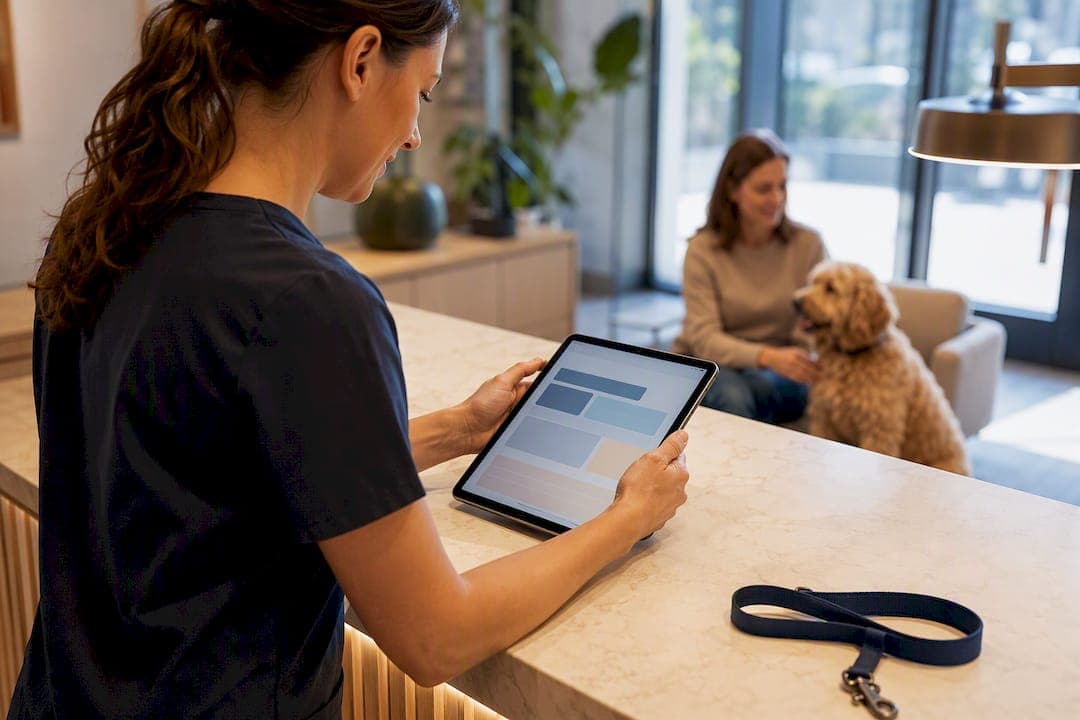
Neither channel wins outright. Marketplaces like OTAs give you reach and fast discovery; direct bookings give you margin, data and repeat customers. The right answer for most operators is a deliberate hybrid: push hard on direct where you can control the relationship, and use marketplaces as a paid discovery channel rather than your default sales floor. Start by measuring your current cost per acquisition on each channel, then set a target mix.
TL;DR:
- Marketplace commissions range from 15 to 25 percent, often increasing with preferred placement and tier upgrades, affecting overall profitability.
- Direct booking costs, including booking engines and marketing, can approach OTA commission levels if website conversion and marketing efficiency are poor.
- Relying heavily on a single marketplace for over 70 percent of bookings exposes operators to unpredictable changes and increased dependency risks.
- A strong balance of systems, including booking engines, channel managers, and automated payment reconciliation, is crucial to running a successful hybrid channel strategy.
- Pet service providers can significantly boost direct bookings and revenue by using specialized booking platforms that streamline scheduling, reminders, and payments.
Table of Contents
- Marketplace vs direct bookings: comparing cost, reach and control
- What does it really cost: commission vs direct acquisition
- How do you decide your ideal channel mix?
- Tactics that actually grow direct bookings
- What technology keeps a hybrid strategy running smoothly
- How Animalbooking helps you win back direct bookings
- Where operators should focus over the next 6 to 12 months
- See how Animalbooking fits your booking mix
- Sources
Marketplace vs direct bookings: comparing cost, reach and control
The comparison only gets useful once you break it into the variables that actually move your bottom line. Cost, reach, data ownership, cancellation exposure, conversion friction and staff time each pull in different directions depending on channel, and treating them as one blended decision is where most operators go wrong.
- Cost per booking: OTAs charge a commission, typically in a fixed percentage range, taken automatically at the point of sale. Direct bookings look "free" on the surface but carry a real direct cost per acquisition once you count the booking engine, payment fees, and marketing spend behind them.
- Reach and new-customer acquisition: marketplaces put you in front of travellers actively comparing options who have never heard of your business. This is genuinely hard to replicate with a direct-only strategy, especially for a new property or provider with no brand recognition yet.
- Control over the relationship and data: direct bookings hand you the guest's email, phone number and booking history. Marketplace bookings often mask that contact information, which makes remarketing and loyalty programs far harder to run.
- Cancellations and chargebacks: direct bookings tend to have materially lower cancellation rates than marketplace bookings, partly because the guest has invested more in the relationship before committing.
- Conversion friction: OTAs have already earned the traveller's trust and payment details, so checkout is fast. A clunky direct booking flow, by contrast, can bleed conversions even when your price is better.
- Staff time and complexity: running both channels means reconciling calendars, payments and messages across systems, which adds real operational load if you are not set up for it.
Picture a small independent hotel that gets most of its bookings through a major OTA. It has reach, but margin is thin and it owns almost none of the guest data. Compare that with a short-term rental host running a strong direct site and email list: fewer bookings overall, but each one is more profitable and repeatable. A mobile pet groomer sits somewhere in between, relying on a marketplace listing for local discovery while pushing repeat clients toward a direct booking link.
As a rough rule, favour marketplaces when you need volume fast or you are entering a new market, and favour direct when you already have brand recognition, repeat customers or a loyalty program worth protecting.
What does it really cost: commission vs direct acquisition
Run the numbers before you decide anything. OTA commission typically sits in the 15 to 25% range, and that is before any visibility program. Opt into preferred placement or a "genius" style tier and your effective commission climbs higher again, because you are trading margin for a better position in search results.
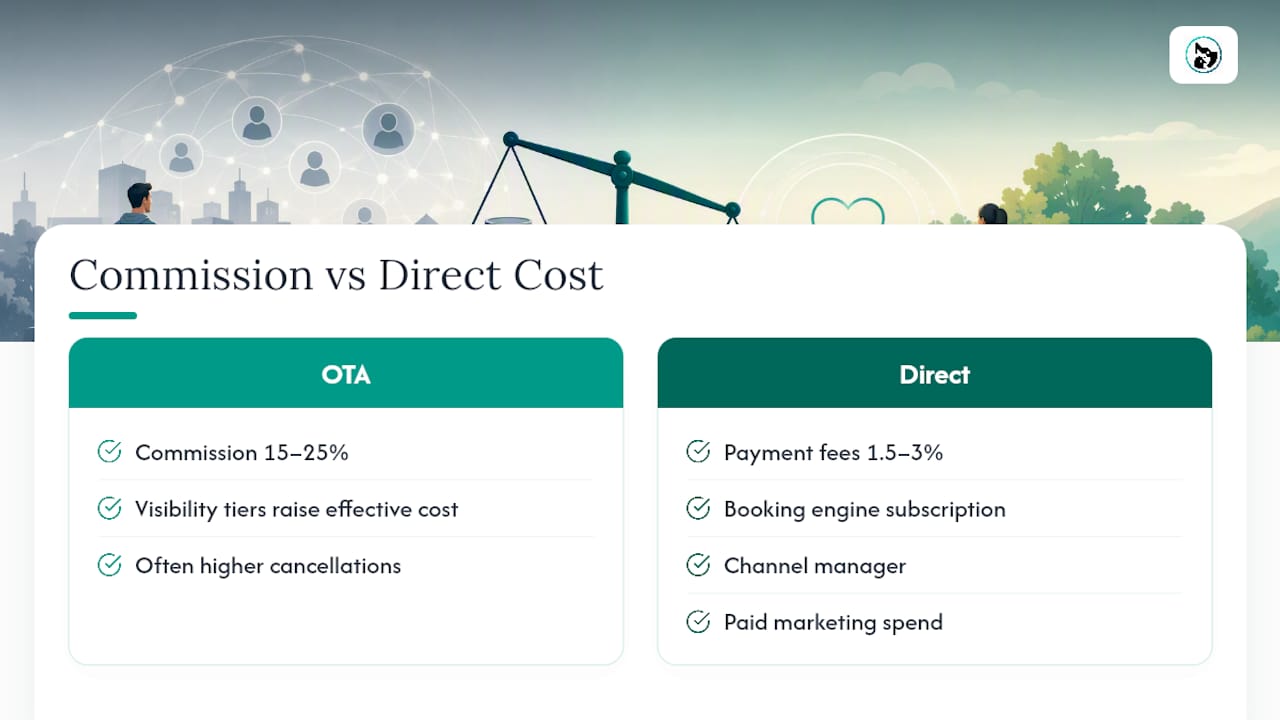
Direct bookings are not free, even though they feel that way. A realistic direct cost stack includes a booking engine subscription, a channel manager to keep availability synced, payment processing fees (usually 1.5 to 3% per transaction), paid marketing to drive traffic to your own site, and the staff time spent managing enquiries and confirmations manually. Add those up and your effective direct cost per booking can land closer to OTA commission than most operators expect, particularly if your website converts poorly or your marketing spend is inefficient.
Here is how the mix affects your effective cost at three different scenarios:
The direct acquisition figure in this table assumes a reasonably efficient marketing spend and an existing customer base to remarket to. A brand-new operator with no email list and no repeat traffic will see that direct figure climb, sometimes past OTA commission, until the website and marketing engine mature.
Independent properties saw a majority OTA share in 2025, according to Cloudbeds' industry data, and direct bookings consistently show lower cancellation rates than OTA-sourced bookings. That gap alone is worth chasing: fewer cancellations means more predictable revenue, less admin around refunds, and a truer picture of your actual occupancy.
The mistake to avoid is assuming direct is automatically cheaper. It usually is, once your website and retention systems are working, but measuring your actual direct CPA against OTA commission is the only way to know for certain rather than guess.
How do you decide your ideal channel mix?
Setting a channel mix is not a gut call. It is a small audit followed by a target and a review cadence.
Start with five decision criteria that shape where you should lean:
- Brand strength: do people already search for your business by name, or do they only find you through comparison searches?
- Marketing budget: can you fund paid search and metasearch consistently, or is that spend inconsistent month to month?
- Seasonality: do you need to fill gaps in shoulder season, where marketplace reach matters more?
- Occupancy target: are you chasing volume right now, or protecting margin on a business that is already close to full?
- Cancellation sensitivity: how much does a last-minute cancellation actually cost you in lost revenue and rebooking effort?
Once you have those answers, follow a repeatable process:
- Audit your current channel economics. Pull twelve months of bookings and calculate the true cost per booking on each channel, including hidden staff time.
- Set a target mix. Decide, in percentage terms, where you want each channel to sit in twelve months, based on the criteria above.
- Reallocate budget. Shift marketing dollars away from channels that are underperforming on cost per acquisition and into the ones with headroom, particularly your own site and metasearch.
- Experiment and measure. Test one tactic at a time (a promo code, an email sequence, a metasearch campaign) and track its effect on direct share before adding the next one.
Pull cancellation rate, net revenue per booking, and channel-level CPA from your booking system or PMS reports each month. If those numbers are hard to get out of your current setup, that is itself a signal your tech stack needs attention.
Pro Tip: If more than 70% of your bookings come from a single marketplace and you have no clear plan to shift that ratio, treat it as a warning sign, not a comfortable status quo. That kind of dependence leaves you exposed to a sudden commission increase or algorithm change you cannot control.
Tactics that actually grow direct bookings
Fixing your channel mix comes down to a handful of concrete moves, not a vague commitment to "focus on direct."
- Rebuild your booking flow mobile-first, and cut checkout down to three steps or fewer. Every extra field or page is a chance for a mobile visitor to give up and book elsewhere.
- Add visible trust signals at checkout: secure payment badges, clear cancellation terms, and real contact details. Guests often choose direct specifically for clearer communication and flexibility, not price alone, so make that benefit obvious.
- Run metasearch campaigns through Google Hotel Ads or similar CPC channels. These can beat OTA commission on a cost basis once optimised, and they capture demand that is already comparing prices.
- Protect your branded search terms. If an OTA is bidding on your business name and winning the click, you are paying to lose a booking you should have gotten for free.
- Build a post-stay email sequence and a simple loyalty or member rate. Past guests are your cheapest acquisition channel, and a small direct-rate discount is often enough to bring them back.
- Use value-adds instead of blanket discounts. A free late check-out or a bundled extra protects your headline rate while still giving guests a reason to book direct, and it sidesteps rate-parity issues that broad discounting can trigger.
- Run promo codes through closed groups rather than public codes, so you are not training your whole audience to wait for a discount.
Sequence these in order of effort versus payoff: fix checkout first, then trust signals, then metasearch, then retention emails. Watch direct booking share and cancellation rate monthly to see which tactic is actually moving the needle.
What technology keeps a hybrid strategy running smoothly
Running both channels well is mostly a systems problem. Get the stack wrong and you will double-book rooms, miss payments, or spend hours reconciling calendars by hand.
The essential components are a booking engine on your own site, a channel manager that syncs availability across every marketplace you list on, a payment gateway that handles deposits and refunds automatically, and a system of record (a PMS or equivalent) that ties bookings, payments and customer history together.
- Channel managers are the single biggest mitigator of double bookings, since they push availability changes across every listing the moment a slot is taken, rather than relying on someone updating each platform by hand.
- Automated payment reconciliation matters as much as booking sync. Manually matching marketplace payouts against bookings eats hours every week and is where small errors compound into real revenue leakage.
- Separate your OTA extranet workflow from in-house guest communication. Guests booked direct should get your own confirmation and reminder sequence, not a generic marketplace template.
- Train staff on both systems, not just the one they use daily. Cross-cover during peak periods depends on it.
- Watch three dashboard numbers weekly: net revenue per booking, cancellation rate by channel, and cost per acquisition by channel. Those three, tracked consistently, tell you whether your mix is actually working.
How Animalbooking helps you win back direct bookings
Pet service providers face the same channel tension as hotels and rentals, just at a smaller scale, and manual booking methods make it worse. Animalbooking replaces texts and spreadsheets with a booking website, smart calendar, automated reminders and secure payments, all live within minutes of setup.
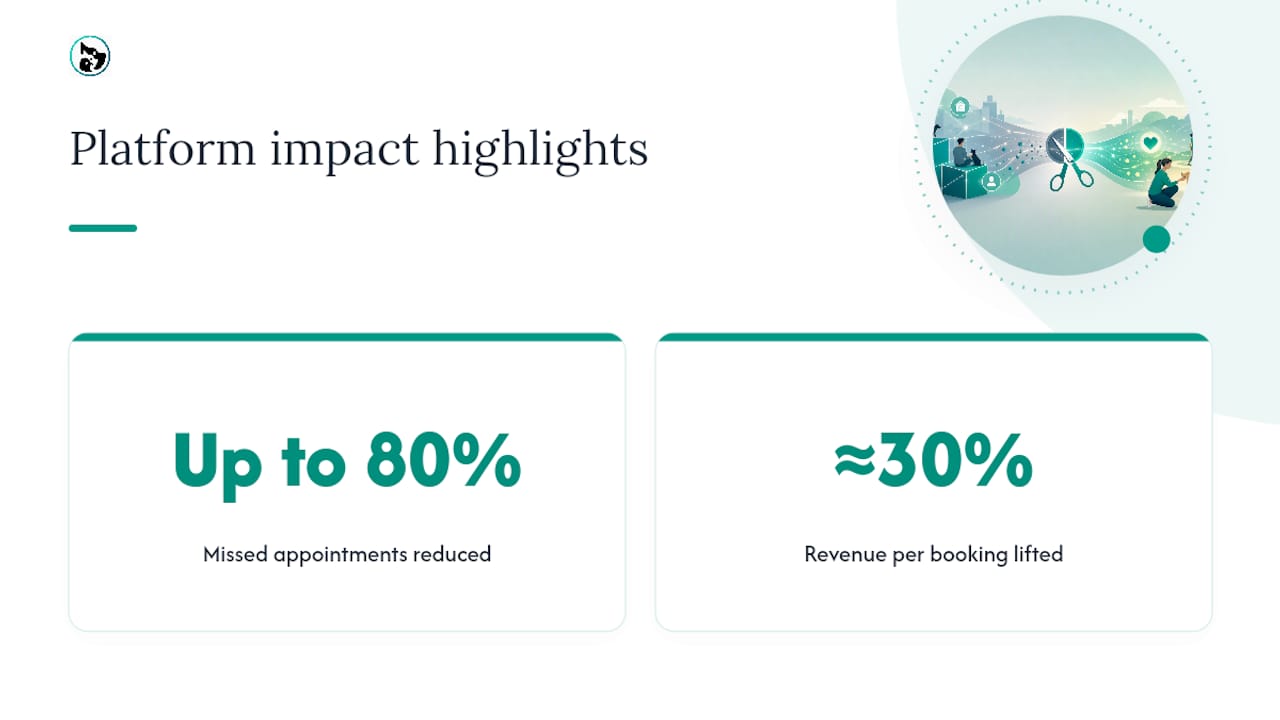
The proof points matter here: providers using the platform report cutting missed appointments by up to 80% and lifting revenue per booking by roughly 30%, largely because automated reminders and deposits fix the two biggest leaks in manual scheduling... For a groomer or boarding facility trying to shift bookings away from a marketplace listing and onto their own channel, that combination of reliability and speed is exactly what closes the gap.
Where operators should focus over the next 6 to 12 months
Stop treating marketplaces as a threat and start treating them as a marketing channel with a price tag attached. Every dollar you save by shifting a booking from commission to direct should go straight back into retention: email sequences, loyalty rates, and a booking flow that does not lose people at checkout.
Branded search deserves particular attention. If a marketplace is bidding on your business name and winning that click, you are effectively paying twice for a customer who already wanted you specifically. Metasearch campaigns are worth testing wherever the cost per click beats your current commission rate.
Set a specific mix target, review it every quarter against real numbers, and resist the urge to treat this as a one-off project rather than an ongoing discipline.
— AnimalBooking
See how Animalbooking fits your booking mix
If direct bookings are the margin engine and marketplaces are the discovery channel, the missing piece for most pet service providers is a booking system built to capture and keep that direct traffic. Animalbooking gives you an online booking website that works on mobile, a smart calendar that prevents double bookings, automatic reminders that cut no-shows, and secure payment collection that gets deposits in before the appointment even starts.
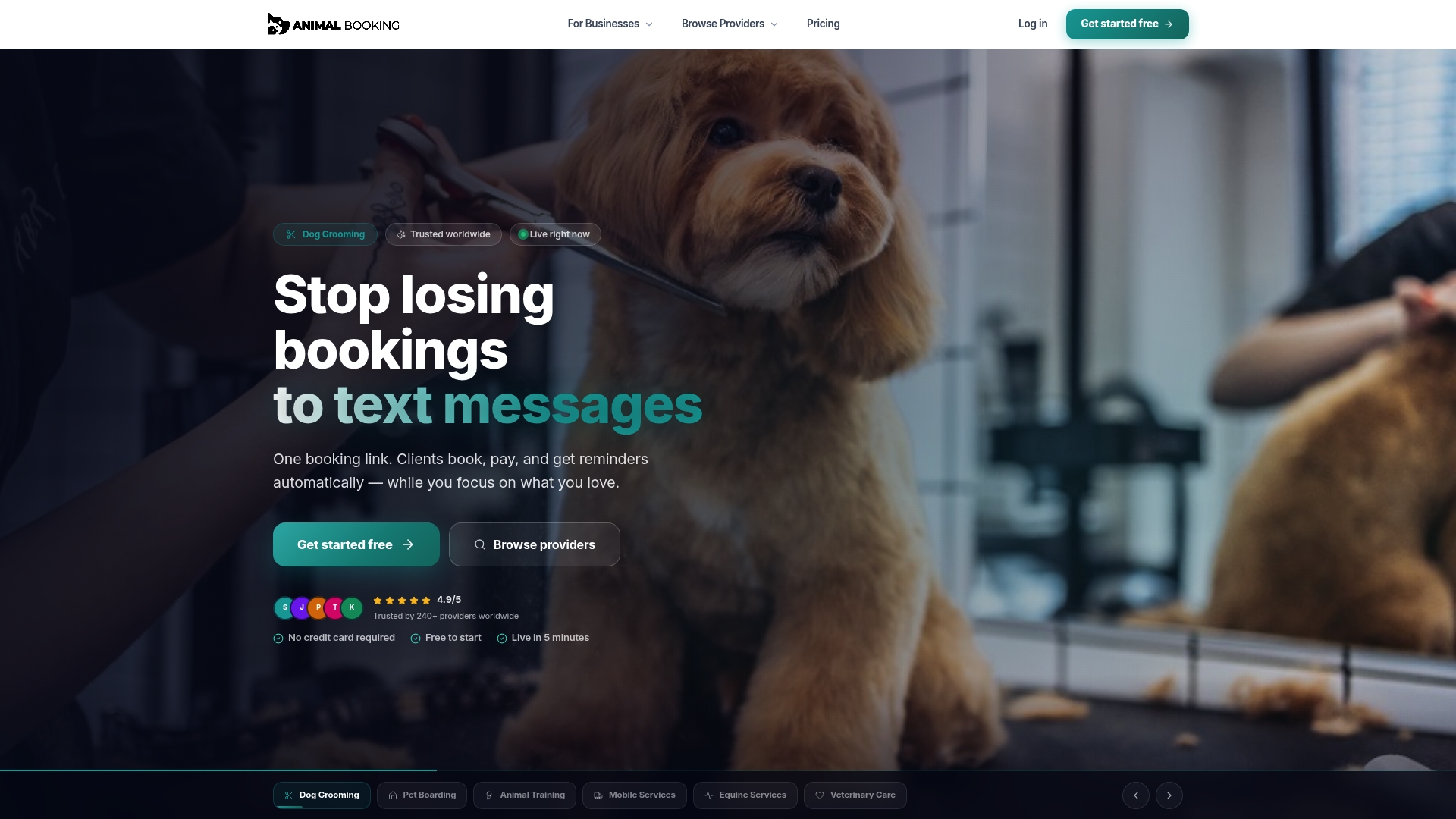
It suits groomers, boarders, trainers, vets and mobile pet businesses that are tired of chasing bookings through texts and spreadsheets and want a direct channel that actually converts. Check the pricing page and get your booking website live in a few minutes.
Sources
Figures on commission ranges, cancellation rates and OTA share throughout this article come from Synoveo's cost breakdown, Guesty's channel balance guide, Cloudbeds' direct booking tactics, and Travel + Leisure's analysis of booking direct. Provider proof points come from Animalbooking.
- Direct Booking vs OTA: Real Cost Breakdown for Hotels
- 14 Ways to Attract More Direct Bookings for Your Hotel
- Is it better to book direct? — Travel + Leisure